
Board of Directors
The board is accountable to our members for the organisation’s business and operations.
The key responsibilities of the board are:
• leadership and strategic direction
• governance
• financial and risk management.
Our board members are elected for two-year terms. Terms run from the close of each Annual General Meeting, held in August. Each year, half of the positions on the board are open for re-election.
We greatly appreciate the time and consideration given to the organisation by all of our directors and associates.
To contact any of our board members please email admin.tas@optometry.org.au and your email will be forwarded to the appropriate person.

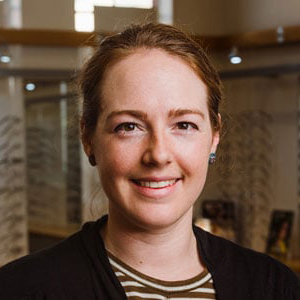
Treasurer
Lisa Kingshott
Show details


You might be interested in
Optometry recognised as essential in diabetes care
A parliamentary inquiry into diabetes has highlighted the essential role of optometry and optometrists in the management and treatment of diabetic eye disease. Optometry Australia is pleased to see our submission has been included in the final report, which acknowledges the importance of eye health and vision in diabetes care. View
View
Madeline Baker awarded inaugural OV/SA LOOK Local Scholarship
The inaugural OV/SA Looking Outward on Optometric Knowledge (LOOK) Local Scholarship has been awarded to Victorian member, Madeline Baker. She will use her scholarship to investigate the factors behind the prevalence of mental ill-health in the optometric workforce, then develop a comprehensive mental health and wellbeing framework. View
View
Meet 2023 OV/SA Student Award winner, Anna Reid
Meet the 2023 OV/SA Student Award winner for The University of Melbourne, Anna Reid. OV/SA awards are given to students, as selected by their university faculty, who demonstrate both academic excellence and commitment to patient care and professionalism. View
View